The architectural permanence of brick masonry has made it a preferred choice for residential and commercial structures for generations. The material embodies a classic elegance while providing exceptional insulation, fire resistance, and structural stability. However, despite its inherent strength, no building material is entirely immune to the continuous forces of nature and time. Over decades of exposure to shifting soils, moisture cycles, and temperature fluctuations, masonry elements can begin to exhibit signs of wear and structural distress. When these issues emerge, property owners must confront a critical decision regarding whether to preserve the existing components through targeted restoration or to dismantle and completely rebuild the failing sections. Navigating this dilemma requires a clear understanding of material behavior and a careful evaluation of the underlying issues affecting the structure.
Making an informed decision about damaged brickwork is vital for preserving both the visual appeal and the structural safety of a property. Ignoring early warning signs can allow minor blemishes to evolve into catastrophic structural failures, which often carry devastating financial consequences. Conversely, rushing into a full replacement when minor structural interventions would suffice can result in unnecessary expenditure and the potential loss of historic building materials. Property owners must learn to read the subtle language of masonry distress, distinguishing between superficial surface issues and deep structural vulnerabilities. By analyzing the root causes of deterioration and consulting with qualified restoration specialists, individuals can implement the most appropriate strategy to extend the life of their masonry assets.
Identifying Minor Surface Blemishes Early
Superficial damage to a masonry facade frequently manifests as minor flaking, superficial hair cracks, or localized discoloration. These issues are often the result of natural weathering processes and do not necessarily indicate that the underlying structural stability of the wall has been compromised. For instance, hairline fractures along mortar lines can occur as a building naturally settles into its foundation over time. When these imperfections remain confined to the outer surface of the wall, targeted maintenance techniques can successfully restore the aesthetic charm and weather resistance of the structure without the need for extensive structural rebuilding.
Property owners should routinely inspect their exterior walls for signs of efflorescence, which appears as a white, powdery crystalline deposit on the surface. This phenomenon occurs when water dissolves internal salts within the masonry and carries them to the exterior, where the moisture evaporates and leaves the mineral residue behind. While efflorescence itself is harmless and can be cleaned with a stiff brush and water, it serves as an early indicator that moisture is penetrating the assembly. Catching these fluid migration patterns early allows individuals to engage local masonry contractors to seal the surface and repair minor mortar deficiencies before moisture can inflict deep, irreversible structural harm.
Executing Professional Repointing Techniques Correctly
When mortar joints begin to crumble, erode, or fall out entirely, the structural integrity of the entire wall is placed at risk. Mortar acts as a sacrificial buffer, designed to wear out much faster than the surrounding clay bricks to protect the harder units from cracking under structural stress. When substantial portions of the bedding material have degraded, the process of repointing, or tuckpointing, becomes absolutely necessary. This intricate restoration process involves carefully scraping away the failing, deteriorated mortar to a specific depth and replacing it with fresh, compatible material.
Executing a successful repointing project requires a high degree of craftsmanship and material knowledge. The replacement mixture must match the original compound precisely in terms of compressive strength, vapor permeability, and color. Utilizing a modern, overly rigid cement mixture on historical, soft clay units can cause the bricks to fracture and spall when the wall attempts to expand and contract with temperature changes. According to Global Market Insights, brick and block construction accounts for 61% of the masonry cement market in the U.S. This widespread utilization emphasizes the critical nature of appropriate material selection, which is why property owners should rely on experienced local masonry contractors to execute these technical surface renewals flawlessly.
Recognizing Deep Structural Fractures Accurately
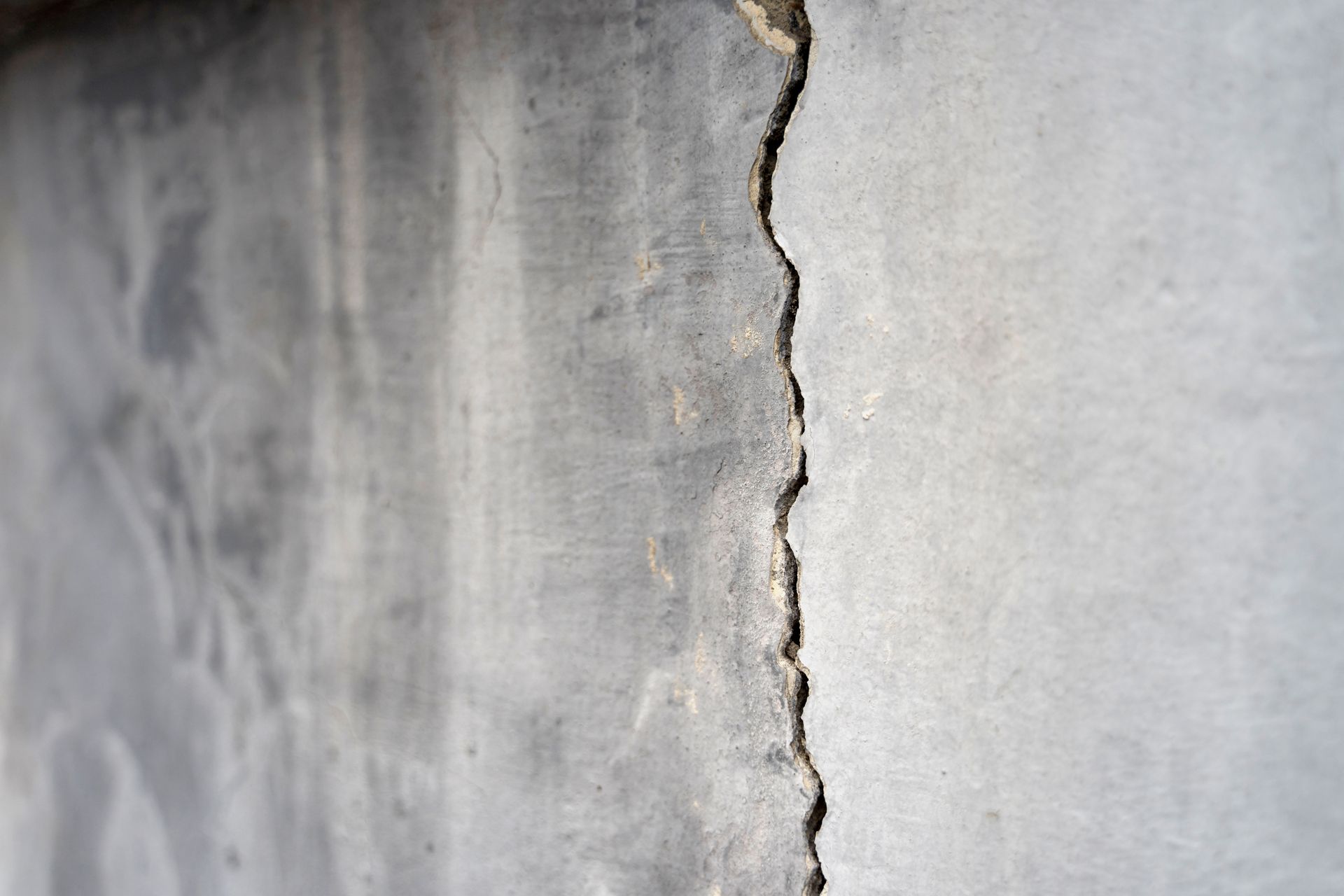
While small surface fractures are manageable, large, continuous cracks that traverse both mortar joints and individual brick units indicate a much more severe structural issue. Jagged fissures that form a staircase pattern across a wall, or wide horizontal splits, often signal significant structural movement underneath. These distress patterns typically indicate that the building foundation is settling unevenly, or that the internal support beams have shifted and are placing immense, unintended pressure on the masonry veneer.
When structural movement causes individual units to split completely in half, simple cosmetic patching is no longer a viable or safe option. Attempting to fill severe structural fractures with caulking or superficial mortar only hides the problem temporarily while allowing the underlying failure to worsen. In these critical scenarios, the affected sections of the wall must be carefully dismantled so that the foundational root cause can be fully addressed. Only after the underlying structural supports are stabilized can local masonry contractors safely rebuild the masonry facade, ensuring that the new structural installation is perfectly aligned and capable of bearing its intended weight.
Addressing Severe Moisture Spalling Directively
Spalling represents one of the most destructive and visually striking forms of masonry degradation, characterized by the physical cracking, peeling, or popping off of the brick face. This destructive cycle begins when excessive water penetrates deeply into the porous clay structure of the unit. When external temperatures drop, this trapped moisture freezes and expands, creating intense internal pressure that fractures the crystalline structure of the clay. When warmer weather arrives, the weakened face of the unit sloughs off entirely, leaving a raw, cratered surface exposed to the elements.
A spalled brick loses its structural load-bearing capacity and acts like a sponge, drawing even more moisture into the interior wall assembly with each subsequent rainfall. Once a unit has spalled significantly, it cannot be repaired or patched back together, making complete replacement of the damaged units the only effective course of action. Professional restoration teams must carefully cut out each individual degraded unit without disturbing the surrounding stable masonry, replacing them with matching salvaged or newly manufactured units. Securing the services of local masonry contractors ensures that the new units are integrated seamlessly, blocking future moisture intrusion and halting the spread of the freeze-thaw destruction.
Balancing Cost and Long-Term Value Strategically
Choosing whether to repair or completely replace damaged masonry ultimately requires a careful balance between immediate financial outlays and long-term asset protection. While localized repairs like repointing carry lower upfront costs, applying them to a wall that is suffering from widespread structural failure is a futile endeavor that will result in recurring expenses.
To make the most economically sound decision, property owners must look beyond the immediate costs and consider the life-cycle value of the intervention. A professionally executed replacement or structural rebuild can completely eliminate maintenance concerns for several decades, restoring full property valuation and providing peace of mind. Investing in high-quality materials and expert labor ensures that the completed masonry system will withstand environmental pressures beautifully. Gathering detailed assessments from trusted local masonry contractors allows individuals to weigh their options accurately, ensuring that every dollar spent contributes directly to the permanent stability of the property.
At M. Zokaites Masonry, we treat every structure with the utmost respect and dedication, bringing decades of collective expertise to ensure that your property's brickwork is structurally sound, visually stunning, and built to stand firm against the test of time.