May 14, 2026
Masonry has been used in construction for centuries because it offers a strong combination of durability, load-bearing power, fire resistance, and long-term performance. From brick walls and stone foundations to concrete block systems and reinforced masonry assemblies, these materials help buildings stand firm against everyday use, harsh weather, shifting temperatures, and natural wear. When masonry is designed and installed correctly, it can support both the structure’s weight and the safety of the people who use the building.
Structural stability depends on many factors, including the quality of the materials, the strength of the foundation, the way loads are distributed, and the skill of the people completing the work. That is why masonry contractors play such an important role in residential, commercial, and industrial construction. Their work affects how well walls, columns, chimneys, retaining walls, and other masonry features perform over time. In this article, we will discuss how masonry supports structural stability, why proper installation matters, and what makes masonry such a dependable building method.
Masonry Supports Strong Load Distribution
One of the most important ways masonry contributes to structural stability is through load distribution. A building carries several types of weight, including the weight of its own materials, the weight of furniture and occupants, and the pressure caused by wind, snow, or soil. Masonry walls and supports help transfer these loads safely through the structure and down into the foundation.
Brick, stone, and concrete block are strong in compression, which means they can handle heavy downward pressure. This makes masonry especially useful for walls, columns, foundations, and other elements that need to bear weight. When each unit is placed correctly and bonded with mortar, the finished assembly becomes much stronger than the individual materials alone.
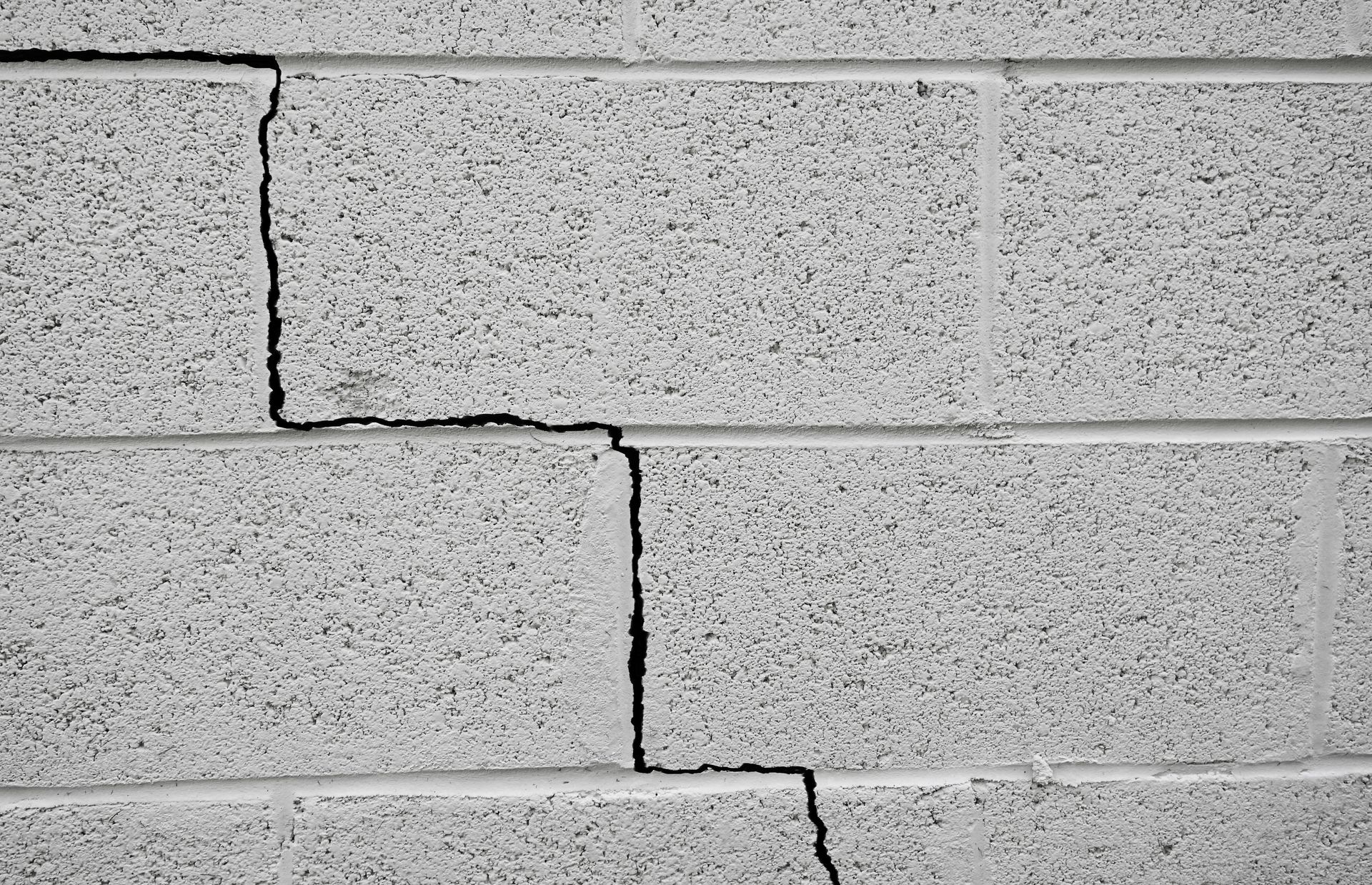
Masonry contractors understand how to arrange materials so the structure can handle expected loads without unnecessary stress. Proper spacing, alignment, joint thickness, reinforcement, and curing all affect how well a masonry system performs. If those details are overlooked, weak points can develop and lead to cracks, bowing, or settlement issues later.
Masonry Helps Buildings Resist Movement
Buildings are constantly exposed to movement, even when that movement is not visible. Temperature changes cause materials to expand and contract. Soil can shift beneath a foundation. Wind can push against exterior walls. Moisture can freeze and thaw inside small openings. Over time, these forces can affect structural stability.
Masonry helps resist movement by providing mass, rigidity, and strength. A well-built masonry wall can hold its shape under pressure and help keep the rest of the structure aligned. Reinforced masonry can provide even greater resistance when steel bars, grout, or other strengthening methods are included in the design.
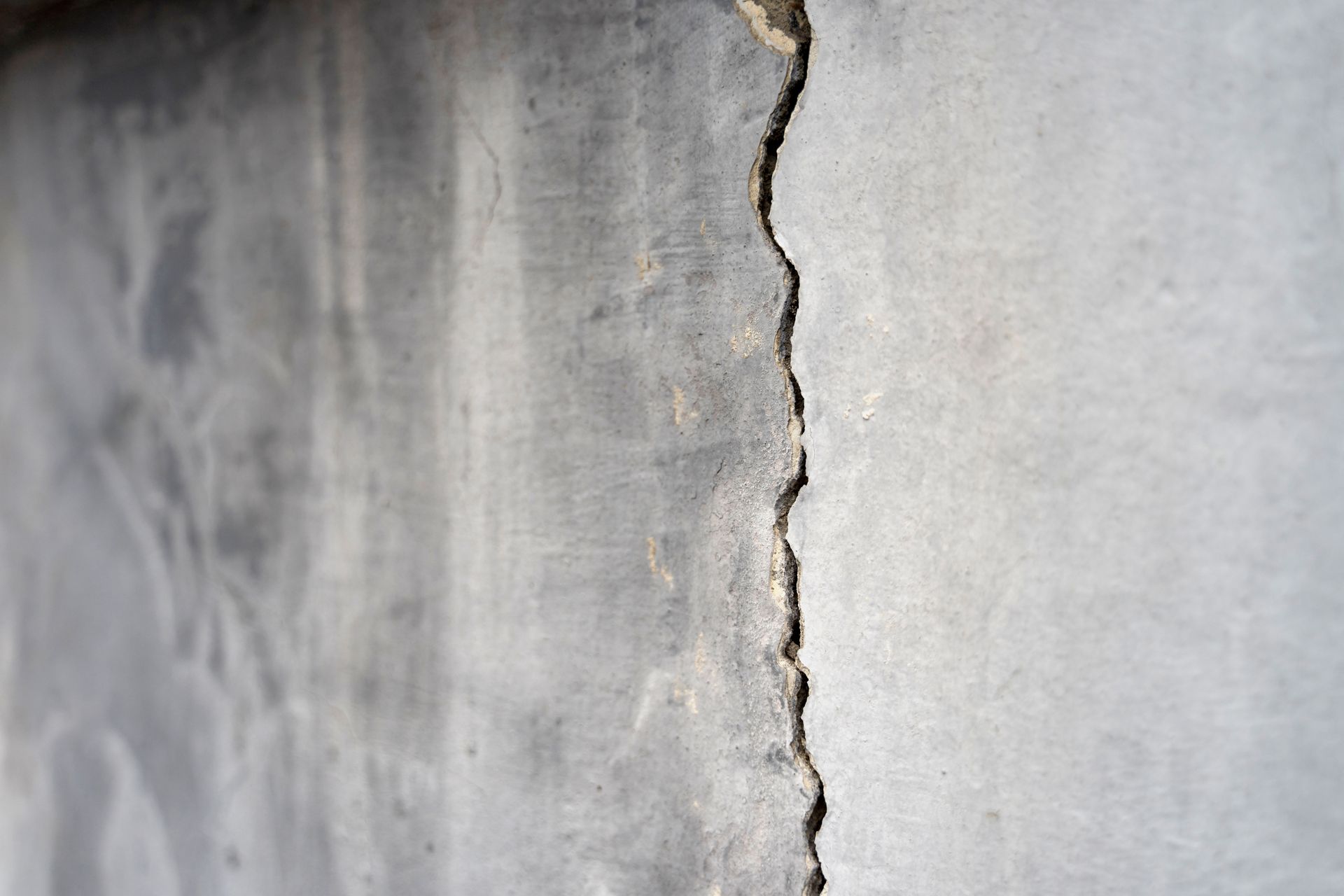
However, masonry also needs room to respond to normal movement. Expansion joints, control joints, proper flashing, drainage, and reinforcement help reduce stress and prevent cracking. Skilled masonry contractors know how to build with both strength and flexibility in mind. That balance allows the structure to remain stable while still responding to natural changes in the building environment.
Masonry Strengthens Foundations and Support Systems
A stable structure starts with a stable foundation. Masonry is often used in foundation walls, piers, crawl space supports, retaining walls, and other lower-level building components because it can withstand heavy pressure when installed properly. These elements help support the rest of the building and protect it from uneven settling.
Concrete block foundations are common because they are strong, durable, and adaptable to many building designs. Stone and brick foundations are also found in older buildings and can remain highly dependable when maintained correctly. According to the International Association of Certified Home Inspectors, masonry and concrete structures are made to last more than 100 years, which shows how dependable these materials can be when they’re built and maintained properly.
Foundation masonry must be carefully planned because it often deals with soil pressure, water exposure, and changing ground conditions. Poor drainage, weak mortar, improper reinforcement, or foundation movement can all compromise stability. That is why routine inspections and timely repairs are so important for protecting the structural role masonry plays.
Masonry Adds Durability Against Weather
Structural stability is not only about carrying weight. A building also needs to withstand the weather year after year. Masonry offers strong protection against wind, rain, heat, cold, and fire. Brick, stone, and concrete block do not rot, warp, or attract pests the way some other building materials can. This makes masonry a durable choice for exterior walls, chimneys, retaining walls, and other exposed structures.
Weather resistance depends on proper installation and maintenance. Mortar joints must be filled correctly, surfaces should shed water properly, and flashing should guide moisture away from vulnerable areas. If water gets into the masonry and freezes, it can expand and cause cracking or spalling. Over time, that damage may weaken the structure.
Masonry contractors can identify weather-related issues before they become larger concerns. Repointing, sealing, drainage improvements, and replacing damaged units can help restore both appearance and performance. When masonry is protected from excessive moisture, it can continue supporting the structure for many decades.
Masonry Improves Fire Resistance
Fire resistance is another reason masonry is valued in stable building design. Brick, stone, and concrete block are noncombustible materials, which means they do not fuel a fire. Masonry walls can help slow the spread of flames, protect structural components, and create safer separations between areas of a building.
This fire-resistant quality is especially important in commercial properties, multifamily buildings, industrial facilities, and homes with fireplaces or chimneys. Masonry can help contain heat and reduce the risk of fire spreading quickly from one area to another. In some building designs, masonry walls are used as fire-rated barriers because of their ability to withstand high temperatures.
The stability of fire-resistant masonry depends on correct construction. Chimneys, fireplaces, fire walls, and exterior masonry systems must be built with suitable materials and proper clearances. Masonry contractors who understand these requirements can help create safer, more stable structures that perform well under demanding conditions.
Masonry Contributes to Lateral Strength
A stable building must handle forces from more than one direction. While vertical loads push downward, lateral loads push sideways. Wind, soil pressure, seismic activity, and impact can all create lateral stress. Masonry walls can help resist these forces when they are designed and reinforced correctly.
Retaining walls are a clear example of this principle. They must hold back soil while resisting outward pressure. If a retaining wall is poorly built, lacks drainage, or does not have enough reinforcement, it can lean, crack, or fail. Exterior masonry walls also need lateral stability so they remain secure against wind and other side forces.
Reinforcement is often used to improve lateral strength. Steel reinforcement, grout-filled block cells, anchors, ties, and proper wall connections can help masonry work with the rest of the structure. Masonry contractors follow design details closely so that these systems provide the stability they are meant to deliver.
Masonry is one of the most dependable building methods for supporting structural stability. Its strength under compression, resistance to weather, fire protection, durability, and ability to manage heavy loads make it a trusted choice for many types of construction. Working with experienced masonry contractors can help protect the stability of your property and extend the life of its most important structural features. If your building needs new masonry work, repairs, or an inspection, contact M. Zokaites Masonry today to discuss the right solution for your project.