March 17, 2026
A home’s foundation is the backbone of its structural stability. Even minor foundation problems can affect walls, floors, doors, and windows, potentially leading to costly repairs if ignored. Many homeowners fail to recognize early warning signs, allowing issues to escalate over time.
Foundation damage can arise from several sources, including soil movement, water intrusion, construction flaws, vegetation, and environmental conditions. Identifying the causes and recognizing the warning signs are crucial steps in preventing severe structural damage. Experienced foundation repair companies provide essential expertise in diagnosing and addressing these problems. By understanding how foundation issues develop, homeowners can take proactive measures to protect their investment and maintain a safe, comfortable home.
Identify the Causes of Foundation Damage
Soil movement is a leading cause of foundation issues. Expansive clay soils swell when wet and shrink during dry periods, exerting pressure that can crack or shift foundations. Sandy soils, by contrast, may not provide sufficient support, causing uneven settlement over time. Water and drainage problems also contribute to structural instability. When rainwater pools near a home, it saturates the soil and increases pressure against foundation walls, potentially causing cracks, bowing, or leaks. Installing proper drainage systems, including gutters, downspouts, French drains, and proper grading, is critical to minimize this risk.
Vegetation can worsen foundation conditions. Large trees planted close to the home may develop extensive root systems that displace soil or remove moisture unevenly, resulting in settlement issues. Proper landscaping practices, such as keeping roots away from the foundation, help prevent long-term damage. Construction deficiencies are another major factor. Foundations built with substandard materials or on poorly prepared soil are more susceptible to future problems. According to the National Association of Home Builders, 30% of homes in the U.S. use masonry as a primary material, emphasizing the importance of proper materials and installation. Additionally, climate extremes such as heavy rainfall or prolonged drought can stress foundations, making preventive maintenance essential.
Recognize the Warning Signs
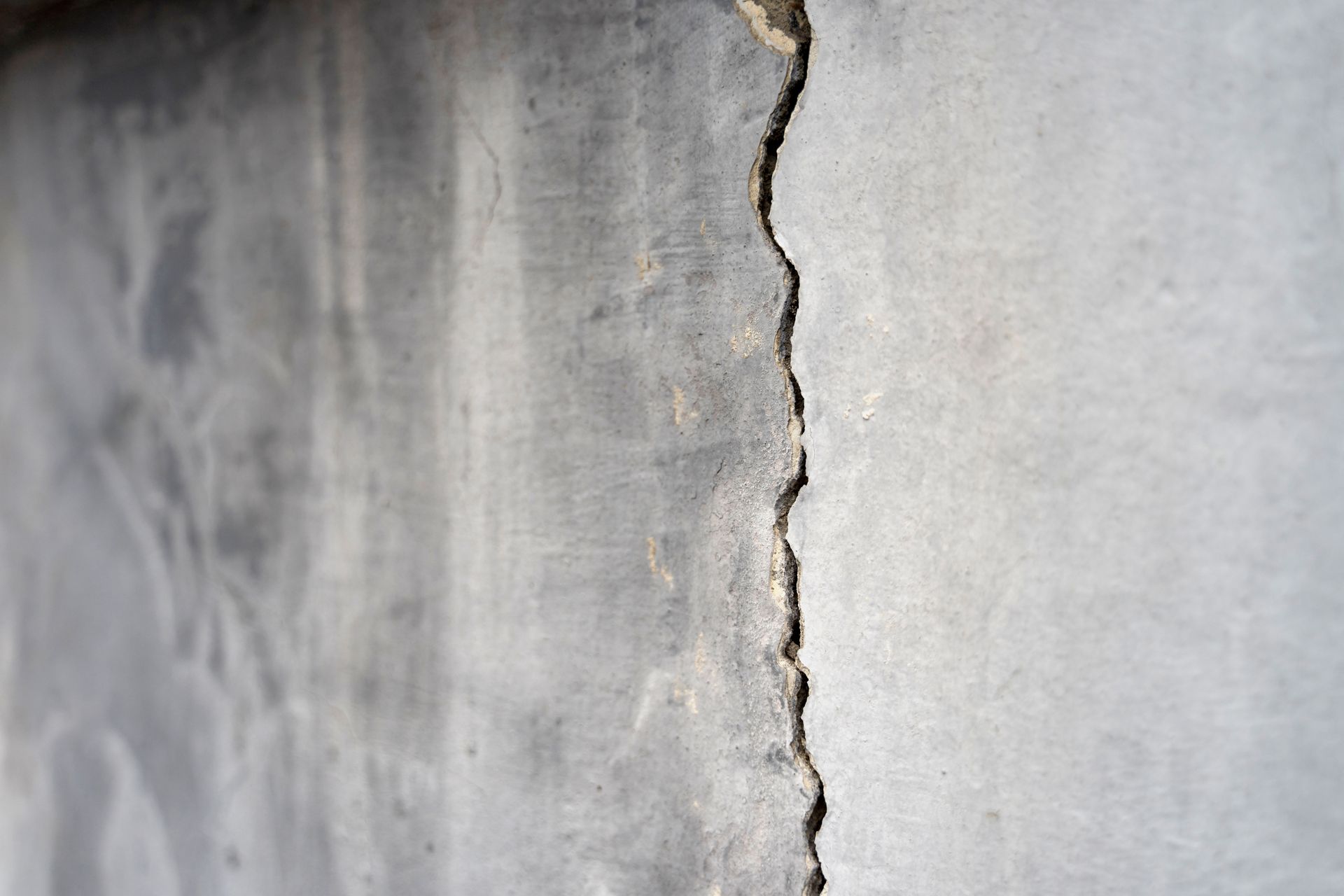
Early detection of foundation problems saves time and money. Cracks in walls, floors, or ceilings are the most obvious indicators. Vertical cracks are often due to normal settling, while horizontal cracks may signal soil pressure, requiring prompt attention. Sticking doors and windows are another common sign. When a foundation shifts, the framing can become misaligned, making it difficult to open or close doors and windows. Uneven or sloping floors may also indicate structural instability, often corresponding with cracks or misaligned openings.
Exterior signs include gaps around doors and windows, or cracks in chimneys, which may separate slightly from the house due to foundation movement. These openings can allow moisture, pests, and drafts to enter the home. Professional inspections by foundation repair companies ensure that these warning signs are properly evaluated and addressed before more serious damage occurs.
Understand the Different Types of Foundation Cracks
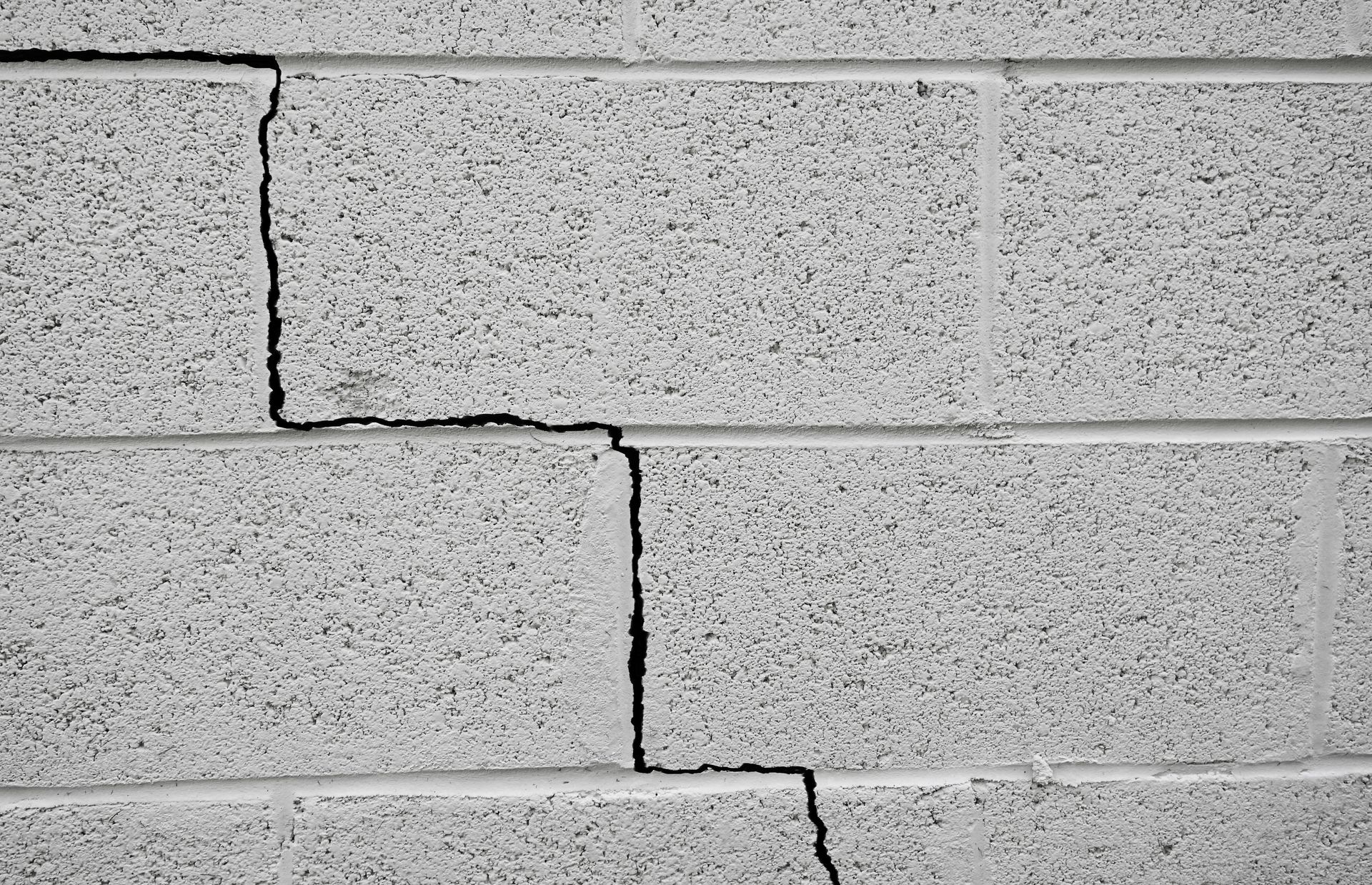
Not all foundation cracks carry the same level of concern. Vertical cracks are usually the result of minor settlement and may be cosmetic, though monitoring is important. Horizontal cracks often indicate soil pressure against the foundation walls and require professional evaluation. Diagonal cracks signal uneven settlement, typically caused by inconsistent soil moisture or compaction beneath the structure. Stair-step cracks, commonly found in brick or block foundations, follow mortar joints in a stepped pattern and suggest soil shifting. Hairline cracks are thin and often appear during the curing process of concrete. While usually cosmetic, they should be monitored to prevent water intrusion.
Recognizing these crack types helps foundation repair companies determine whether repairs are structural, preventative, or primarily aesthetic. Accurately identifying the type and cause of each crack ensures that the most effective repair method is chosen, preventing unnecessary work or recurring issues. Understanding the severity of cracks also allows homeowners to prioritize repairs, addressing the most urgent problems first. Additionally, regular monitoring of these cracks can provide early warning signs of new foundation movement, allowing for timely intervention before minor issues escalate.
Apply Effective Foundation Repair Methods
Repair strategies vary depending on the type and severity of foundation damage. Slab jacking is often used for uneven concrete surfaces, raising slabs by injecting a special material beneath them. This technique is commonly applied to sidewalks, driveways, and interior floors. Piering and underpinning provide long-term stabilization for homes experiencing significant settlement. Steel or concrete piers are driven deep into stable soil to support the structure and prevent further movement.
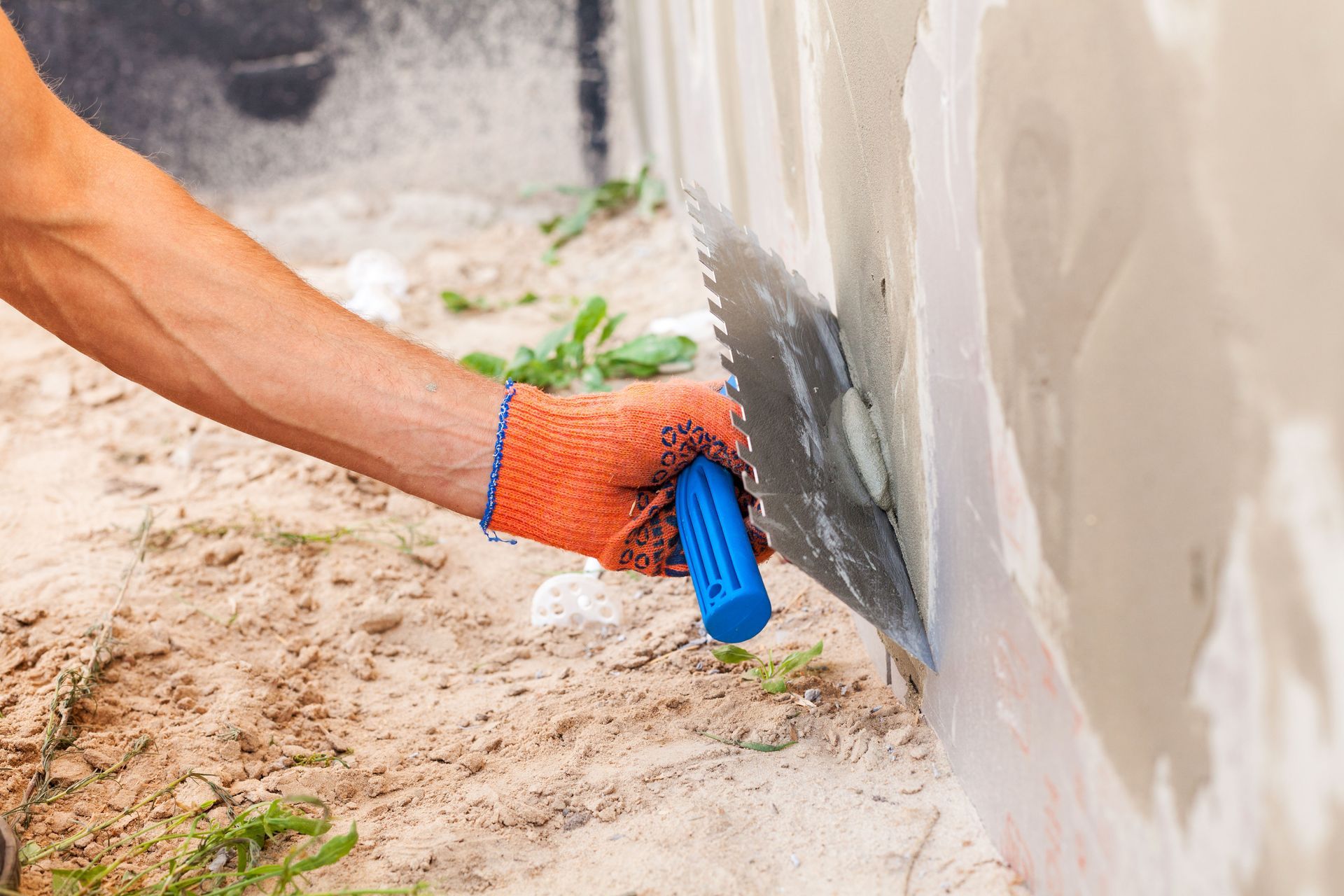
Crack repair methods include epoxy injections, which restore structural strength, and polyurethane injections, which seal wet cracks and prevent moisture intrusion. Structural bracing using steel beams or wall anchors reinforces walls that have bowed or shifted inward. In some cases, soil stabilization is necessary to strengthen the ground supporting the foundation. Because these repairs require specialized knowledge, homeowners rely on experienced foundation repair companies to ensure the work is effective and durable.
Maintain Foundation Health Through Preventive Measures
Proactive care can reduce the risk of foundation damage and avoid expensive repairs. Proper drainage is essential; gutters and downspouts must direct water away from the home, and grading or French drains may be necessary in areas prone to pooling. Landscaping practices also affect foundation health. Trees and large shrubs should be planted at a safe distance, preventing root interference and maintaining consistent soil moisture. Balanced watering and mulch practices can help minimize soil expansion and contraction.
Routine inspections are another key preventive measure. Checking for cracks, uneven floors, gaps around doors and windows, or any shifting allows homeowners to address small problems early. Promptly repairing plumbing leaks is equally important, as even minor leaks can alter soil moisture and cause movement. When combined, these strategies minimize the likelihood of foundation damage and extend the lifespan of the structure.
Address the Long-Term Implications
Ignoring foundation issues can have serious long-term consequences. Property value often decreases when cracks, uneven floors, or structural instability are visible. Safety is also a concern, as severe foundation damage may result in wall collapse or structural failure. Financial impacts escalate if repairs are delayed. Minor cracks can be addressed relatively inexpensively, but unresolved issues may lead to major structural repairs. Beyond safety and finances, aesthetic and comfort issues arise; gaps, uneven floors, and visible cracks affect livability and appearance.
Timely evaluation and repairs by foundation repair companies protect both structural integrity and property value. Proper documentation of repairs also eases future resale concerns, reassuring potential buyers that the home is well maintained. Addressing foundation issues promptly minimizes the risk of more extensive structural damage down the line, which can be far more costly to repair. It also helps maintain a safe living environment for occupants, preventing potential hazards such as wall or floor collapses. Consistently working with reputable professionals ensures that all repairs meet industry standards, providing long-term stability and peace of mind.
Foundation damage can result from soil movement, water intrusion, vegetation, climate factors, and construction flaws. Recognizing warning signs such as cracks, uneven floors, sticking doors, and gaps around windows enables homeowners to act before problems worsen. Understanding different types of cracks and repair options ensures informed decisions when restoring stability.
Preventive maintenance, proper drainage, routine inspections, and timely repairs are crucial to long-term foundation health. Experienced foundation repair companies provide the expertise needed to diagnose issues and implement effective solutions. Taking a proactive approach protects the safety, comfort, and value of a home. If you suspect foundation problems, contact M. Zokaites Masonry to evaluate your property and secure lasting peace of mind.