September 15, 2026
The relationship between residential structures and surrounding greenery requires constant, dedicated attention from property owners who want to preserve their property value, maintain safety, and ensure long-term structural integrity. While mature trees add magnificent aesthetic charm, create shade, reduce cooling costs, and significantly increase total market value, their extensive subterranean growth systems can pose severe and costly risks to concrete footings, basement walls, and slab platforms. Understanding how intricate root networks interact with varying local soil conditions, moisture levels, and load distribution helps homeowners safeguard their major financial investments over many decades. Partnering with a professional foundation repair company ensures that your structural framework remains completely secure, level, and stable over the lifespan of your residence.
Subterranean growth patterns directly dictate how trees interact with nearby concrete slabs, load-bearing walls, plumbing lines, and perimeter drainage systems. Roots naturally expand outward across topsoil layers to secure moisture, oxygen, and vital mineral nutrients, frequently extending two to three times further than the edge of the visible branch canopy above ground. When advancing tree roots encounter hard structural obstacles, they exert constant, incremental hydraulic pressure while simultaneously extracting vast quantities of water from the underlying earth, which alters soil volume, load bearing capacity, and density. Homeowners must learn how to balance visual landscape aesthetics with proactive structural preservation strategies to ensure their homes remain structurally sound for generations to come.
Analyzing Root Growth Mechanisms
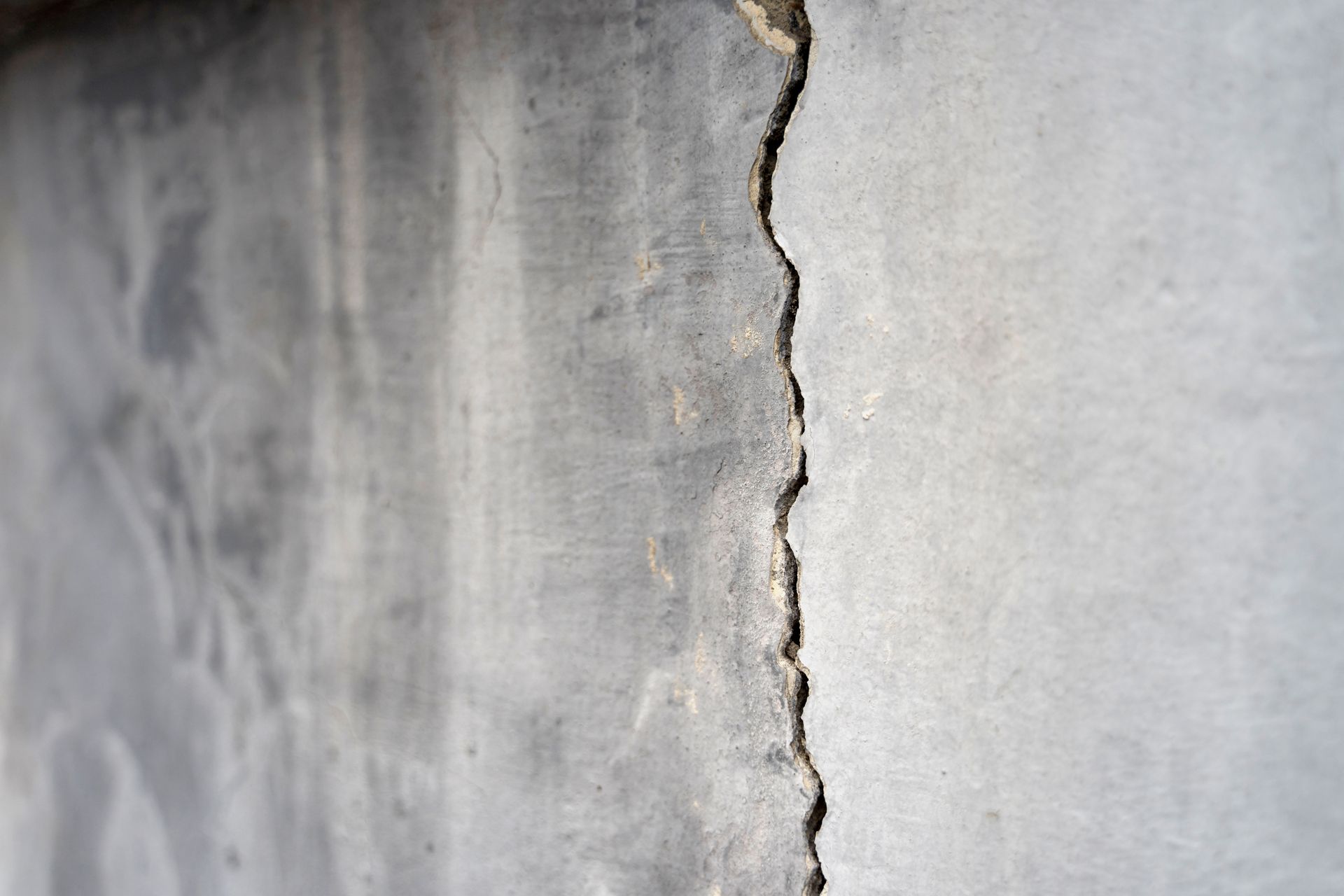
Tree roots naturally extend outward in search of nutrients, dissolved minerals, and moisture, often mirroring the width of the leaf canopy or reaching even further across property lines into adjacent yards. This horizontal expansion can be surprisingly aggressive and relentless, exerting continuous physical pressure against subterranean footings, cinder blocks, retaining walls, and concrete slabs. As root systems expand, they seek out moist micro-environments, easily penetrating existing hairline cracks in masonry, expanding these structural vulnerabilities, and steadily worsening structural damage over time. Observing root growth behaviors among mature species across your property serves as an essential preliminary diagnostic step for any vigilant homeowner. When root activity compromises structural integrity or causes floor displacement, hiring a foundation repair company becomes necessary to evaluate, reinforce, and rectify the affected structural areas.
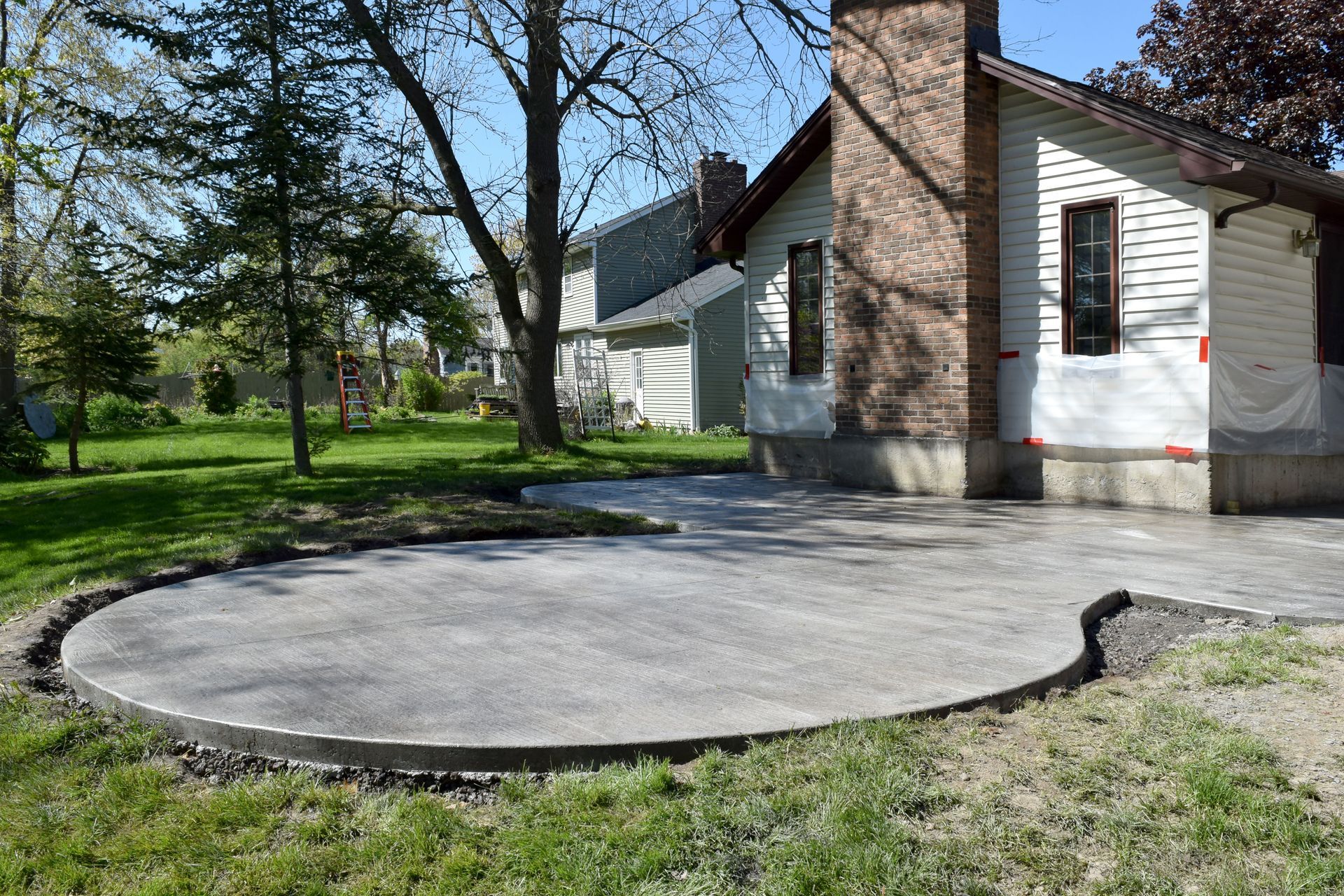
The overall composition and drainage characteristics of your soil significantly dictate how expanding root systems behave and interact with residential infrastructure. Loose, coarse, or sandy soils permit deep vertical root penetration, whereas dense clay soils restrict deep vertical growth, forcing thick roots to spread horizontally just beneath the lawn surface. This extensive horizontal expansion leads to significant structural complications whenever thick roots come into direct contact with shallow concrete slabs, lifting, cracking, and titling them gradually over time. Homeowners must understand their specific local soil composition to evaluate accurately their house vulnerability to ongoing root intrusion and seasonal movement. Testing soil density, pH balance, and moisture retention capacity guides the effective management of root expansion near property borders.
Selecting Trees and Safe Spacing
Different tree species possess unique root system architecture, growth rates, and moisture demands that directly determine their overall likelihood of causing residential structural damage. Fast-growing, water-loving trees such as maples, poplars, birches, and willows feature notoriously aggressive, shallow root systems that actively seek out water sources beneath nearby concrete footings. Homeowners must carefully evaluate specific species characteristics prior to planting young saplings anywhere near exterior house walls, as thirsty roots easily exploit small moisture pockets beneath concrete slabs. Choosing alternative tree species with non-invasive taproots or slow-growing canopies significantly reduces the probability of long-term structural conflicts beneath your property.
Researching specific species can provide insights into how much distance is necessary between trees and foundations. According to Almanac, a good rule of thumb is to plant small trees 8 to 10 feet away from your home to keep it from destroying your foundation, but you need to check a tree's spread at maturity. Knowing a tree full size prevents space conflicts that could jeopardize your structural concrete. If improper spacing has already caused structural displacement, contacting a foundation repair company can help restore the alignment of your home.
Identifying Structural Damage Warning Signs
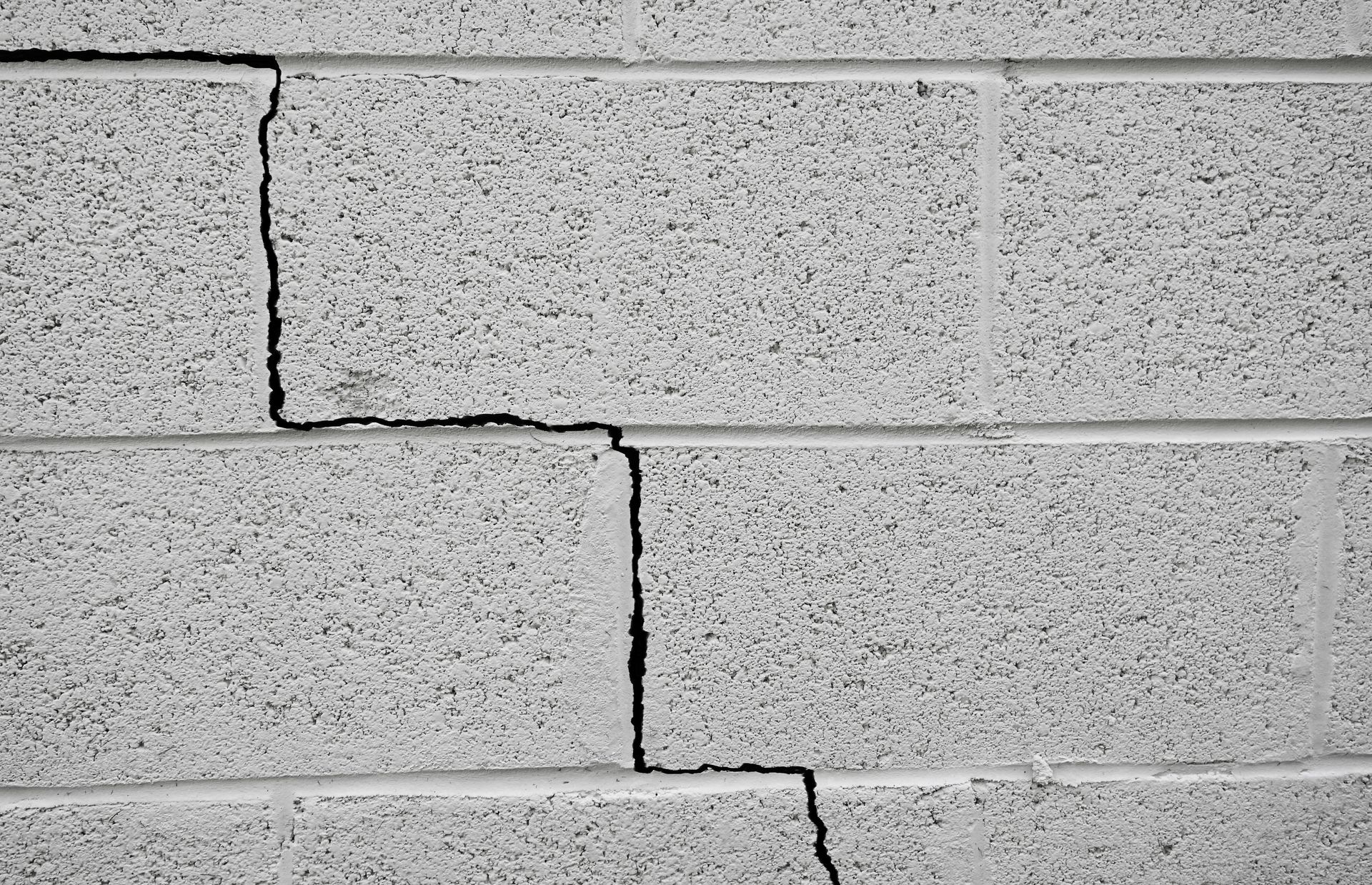
Signs of root-induced movement and structural distress manifest in various noticeable ways, including visible exterior brick cracks, sticking interior doors, jammed window sashes, and uneven, sloping interior floors. Exterior mortar joints, concrete walkways, and surrounding asphalt driveways often exhibit pronounced lifting where advancing root systems exert strong upward force. Spotting these subtle physical symptoms during early stages prevents minor settlement issues from evolving into total structural failure. Changes in the surrounding lawn, such as localized soil elevation, unusual humps near footings, or sudden soil depression along exterior perimeter walls, also indicate active root encroachment beneath the building footprint.
Routine visual inspections across your entire property allow you to identify structural changes long before expensive major repairs become mandatory. Interior indicators of ongoing structural movement include diagonal drywall cracks extending from door frames, failing window seals, popping tile floors, and growing gaps along baseboards. Externally, you may observe gaps opening between porch steps and main walls, brick veneer separation, twisting fascia boards, or complete perimeter drainage failure. Identifying these clear warning signs in a timely manner prompts consultation with a foundation repair company to halt structural displacement from worsening further.
Regulating Soil Moisture Variations
Moisture balance within surrounding soil heavily dictates its capability to support heavy residential loads evenly across all seasons. Excess moisture from improper drainage causes soil to expand and lose firmness, whereas prolonged dry weather or severe drought causes severe soil shrinkage, desiccation, and compaction. These drastic moisture fluctuations trigger differential settlement, leading to significant structural distortion, wall cracking, and floor sloping throughout the entire residence. Maintaining stable moisture levels around your property perimeter using proper grading, active irrigation, and functional gutters is vital for protecting concrete footings from seasonal environmental shifts.
Mature trees consume hundreds of gallons of water daily during warm summer months, drastically reducing soil moisture levels around their immediate root footprint. This localized water extraction leads to severe soil shrinkage during dry seasons, removing vital physical support beneath concrete footings and causing localized sinking. Homeowners must actively monitor trees growing close to their house, as root water intake alters the delicate balance of support beneath exterior walls. Scheduling routine soil checks alongside professional evaluations from a foundation repair company keeps your home fully supported through extreme weather conditions.
Implementing Corrective Stabilization Measures
Remediating existing structural damage caused by shifting soil or root pressure requires customized engineering solutions designed specifically for your individual site layout and soil profile. When root expansion or soil movement destabilizes a residence, prompt structural intervention is necessary to halt ongoing settlement and prevent secondary interior damage. Modern structural remediation strategies include installing heavy steel piers, driving helical anchors, underpinning concrete footings, or placing vertical root barriers to block further subterranean growth. Ignoring structural movement allows mechanical stresses to multiply, resulting in far more expensive reconstruction projects down the road.
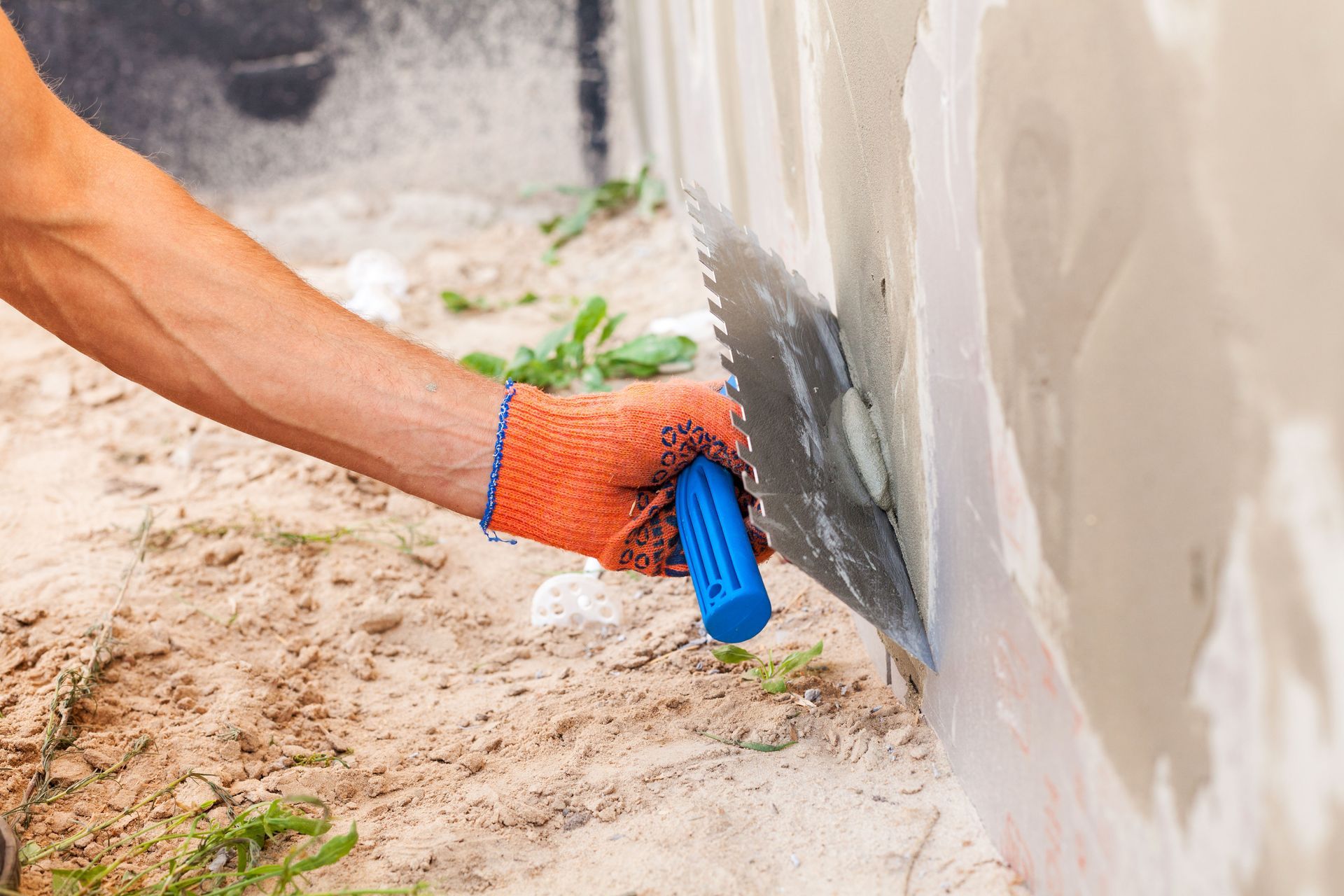
Working with an experienced foundation repair company ensures that structural interventions tackle underlying soil instability rather than simply covering up cosmetic wall cracking or floor unevenness. Specialized technicians evaluate soil compaction, tree proximity, structural load paths, and water drainage to design a targeted, permanent stabilization strategy. Taking prompt, decisive action restores structural alignment, secures living spaces, and protects your long-term home equity investment. Maintaining structural integrity requires combining smart landscaping practices with expert structural maintenance over the lifespan of your home.
Balancing natural landscape design with structural home preservation requires continuous oversight, proper planning, and informed decision-making. Homeowners can apply practical insights from this guide, ranging from managing root expansion patterns to addressing seasonal moisture fluctuations around concrete footings. Implementing protective landscape strategies helps preserve the harmony between healthy yard trees and solid structural footings for decades. If expanding root systems or shifting soil have compromised your concrete slab, contact a
foundation repair company like M. Zokaites Masonry today to schedule a detailed evaluation and secure your home structure.